
From Goals to Results: How Ronnie Dill Transforms Fitness Journeys
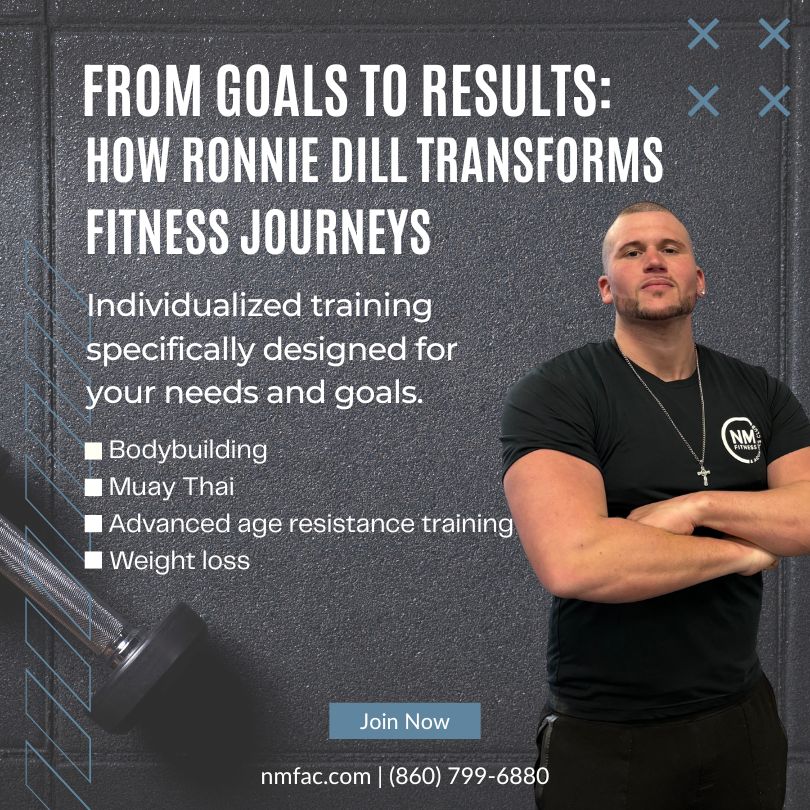
No matter where you are in your fitness journey—getting back into shape, already active, or training for an event—a Personal Trainer can help. Trainers design plans just for you, set realistic goals, keep you accountable, and make sure you exercise safely. Working with a trainer saves time and helps you get better results. Today, we’re talking with Personal Trainer Ronnie Dill about his skills and how he helps clients change both their bodies and minds.
Tell us a little bit about yourself. How did you become interested in Personal Training?
I’ve always loved fitness and sports, but I became interested in personal training when I saw how structured workouts could change not just someone’s body, but also their confidence and mindset. Helping people get stronger, more disciplined, and more confident through movement inspired me to make this my career. I haven’t looked back since.
You have years of experience in the fitness industry. How has your career evolved? What certifications do you have?
I started as a personal trainer focused mainly on general fitness and strength training. Over time, I moved into a Fitness Manager role where I led teams, set sales goals, mentored new trainers, and helped grow the training department. That experience really strengthened my leadership and coaching skills.
I’m an ISSA Certified Personal Trainer and a Certified Muay Thai Striking Coach. Over time, I’ve added boxing and performance coaching to my skill set, and I’ve worked with clients at all different fitness levels.
What type of baseline assessment do you use? What criteria do you use when creating an exercise program for a client?
I begin with a movement assessment, posture check, mobility screening, and a discussion of goals, lifestyle, injury history, and training experience. Then I create a program based on each person’s fitness level, strengths, weaknesses, and long-term goals. Every plan is personalized, not one-size-fits-all. I focus on good movement first, then gradually add strength and intensity.
What type of clients do you tend to work with?
I work with all kinds of clients, from beginners just starting out to experienced lifters who want to improve. Some are interested in strength training, some in boxing-based workouts, and others want more structure and accountability. I especially like helping busy adults find programs that are realistic and sustainable.
What can you tell us about your personal training style?
My training style is organized, motivating, and focused on good technique. I make sure clients use proper form and avoid injuries, but I also encourage them to push themselves. I bring energy to every session and stress the importance of consistency and discipline. I believe in long-term results, not quick fixes.
Strength training is one of your specialties. What are the benefits of this type of training?
Strength training improves muscle tone, bone density, metabolism, posture, and overall functional strength. It helps prevent injuries, supports fat loss, and increases confidence. It’s not just about aesthetics — it improves quality of life and long-term health.
Tell us a little more about advanced age resistance training. What is it and what are the benefits?
Advanced age resistance training refers to strength training for older adults. As we age, we naturally lose muscle mass and bone density. Resistance training helps slow or reverse that decline, improve balance and stability, reduce fall risk, and enhance independence. It’s one of the most important things older adults can do for longevity and mobility.
You’re trained in Muay Thai. Do you use any of that training when working with clients?
Yes, definitely. I use boxing and Muay Thai techniques in conditioning sessions when it fits. These methods are great for cardio, coordination, power, and stress relief. They also add variety and make workouts more interesting.
We know that injuries are sometimes unavoidable, but are there things people can do for injury prevention in general? What are the most common injuries you see?
Injury prevention starts with proper technique, appropriate load progression, mobility work, and adequate recovery. Many injuries I see are related to overuse, poor form, or skipping warm-ups. Taking time to build a strong foundation and not rushing progress makes a big difference.
What are your views on nutrition and the role it plays in your fitness goals?
Nutrition is foundational. You can’t out-train poor eating habits. I focus on realistic, sustainable nutrition habits rather than extreme dieting. Protein intake, hydration, and overall calorie balance are key. The goal is to build habits that clients can maintain over the long-term.
How do you track your clients’ progress? How do you keep them engaged and motivated?
I track progress through increases in strength, changes in body composition, performance improvements, and consistency. I also check in regularly and adjust programs as needed. Motivation comes from accountability, celebrating small wins, and reminding clients why they started.
What do you feel is the benefit of working out with a Personal Trainer versus working out on your own?
A Personal Trainer provides structure, accountability, proper programming, and real-time correction. It eliminates guesswork and helps you reach your goals faster and more safely. Having someone guide and push you makes a huge difference in consistency and results.
What do you like most about being a Personal Trainer?
Seeing clients accomplish things they once thought were impossible. Watching someone grow stronger physically and mentally is the most rewarding part of what I do.
If you would like more information on how working with Ronnie could help you reach your fitness goals, give us a call at (860) 799-6880.


Michelle is a long time runner, fitness enthusiast, former healthy food blogger, and she’s one of the owners at New Milford Fitness & Aquatics Club. She ran cross country and track for the University of Colorado and still runs as well as hikes to stay healthy and avoid injury.